
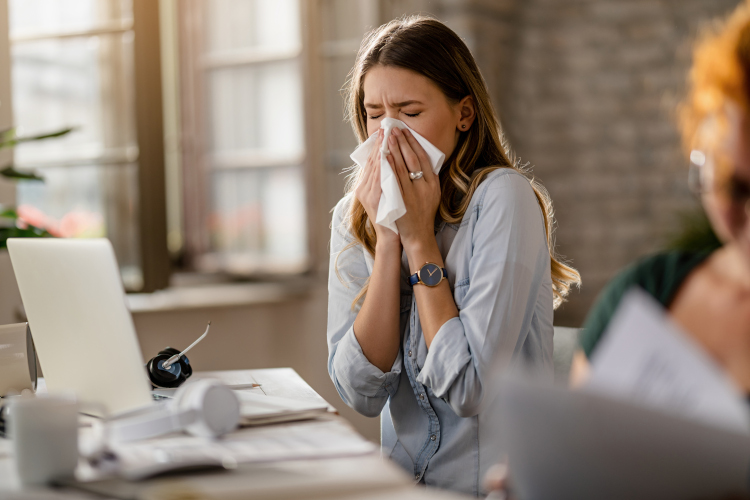
The pandemic is over. The QR codes are gone, the hand sanitiser stations have quietly disappeared from most shopfronts, and “social distancing” has faded into a slightly awkward memory. But here’s the number that should stop you mid-scroll: 2025 was Australia’s worst flu season on record, with more than 500,000 lab-confirmed cases — the highest annual count since influenza became a nationally notifiable disease in 2001 — and over 1,700 flu-related deaths, the highest flu death toll this century.
So, is regular cleaning still necessary now that COVID-19 restrictions are behind us? Short answer: yes — arguably more than most people realise. This article looks at why workplace hygiene and regular cleaning still matter in 2026, what’s actually changed since the pandemic, and what a sensible, sustainable cleaning routine looks like now that we’re not living in emergency mode.
Why “The Pandemic Is Over” Doesn’t Mean “Stop Cleaning”
It’s easy to assume that once COVID-19 stopped dominating headlines, the case for diligent cleaning disappeared with it. But that reasoning misses something important: COVID-19 was never the only reason hygiene mattered — it was simply the reason everyone paid attention to it for a few years. Influenza, RSV, gastro bugs, and common colds never went away, and in some recent seasons, they’ve come back harder than before.
Health authorities have specifically flagged that reported flu notifications tend to fluctuate significantly year to year, and that a quieter start to a season is no reason for complacency — vaccination coverage remains patchy, particularly outside older age groups, and hospitals are still bracing for unpredictable surges each winter.
The Hidden Cost of Letting Hygiene Standards Slide
For businesses, the case for office cleaning and commercial cleaning services isn’t just about public health in the abstract — it shows up directly in absenteeism costs. Industry research suggests professionally cleaned and regularly sanitised workplaces can reduce respiratory illness-related absenteeism by roughly a quarter to a third compared to poorly maintained ones. For a mid-sized office, that difference can translate into tens of thousands of dollars a year in lost productivity once wages, on-costs, and workflow disruption are factored in.
A single high-touch surface — a shared keyboard, a meeting room table, a lift button — can pass a cold or flu virus to several colleagues within days. Multiply that across an entire office during a bad flu season, and the cost of skipping regular disinfection and high-touch surface cleaning adds up fast.
What’s Actually Changed Since the Pandemic
It’s not that nothing has changed — plenty has, just not in the direction of “we can relax now.” A few key shifts:
- Higher baseline expectations. Employees and customers who got used to visibly cleaner, more hygienic spaces during the pandemic notice when standards quietly slip back to where they were before.
- Stronger WHS compliance requirements. Workplace health and safety obligations around hygiene and sanitation have generally tightened rather than loosened, particularly in healthcare, food service, education, and childcare settings.
- Smarter, more targeted protocols. Rather than blanket disinfection of every surface constantly (a very 2020 approach), current best practice focuses on high-touch point cleaning — door handles, shared equipment, kitchen areas, bathroom fixtures — cleaned more frequently, alongside a solid general clean of the rest of the space.
- A permanent link between hygiene and illness prevention. The pandemic simply made visible something that was always true: cleaner environments transmit fewer illnesses, and that logic didn’t expire alongside COVID-19 restrictions.
Practical Cleaning Habits Worth Keeping in 2026
You don’t need pandemic-level precautions to stay ahead of flu season and everyday illness. A sensible, sustainable approach includes:
1. Regular High-Touch Surface Cleaning
Door handles, light switches, shared phones, keyboards, lift buttons, and kitchen taps should be wiped down daily in busy workplaces, and regularly in homes with multiple people coming and going.
2. Handwashing Stations That Are Actually Stocked
Routine handwashing has been shown to meaningfully reduce respiratory illness transmission, but only if soap, sanitiser, and paper towels are consistently available — not just during flu season, but year-round.
3. Scheduled Deep Cleans, Not Just Surface Tidying
A weekly wipe-down keeps things looking presentable, but deep cleaning services — covering carpets, upholstery, air vents, and less obvious areas — deal with the buildup that regular cleaning misses, and matter more during peak illness seasons.
4. Ventilation as Part of the Hygiene Conversation
Good airflow reduces the concentration of airborne viruses indoors. Something as simple as opening windows when practical, or maintaining air conditioning and filter systems properly, complements a solid cleaning routine.
5. Flu Season-Specific Adjustments
Increasing the frequency of office disinfection and workplace sanitisation during the Australian flu season (typically April to September) is a low-cost, high-impact way to reduce the kind of absenteeism spike that flu waves reliably cause.
Home Cleaning Habits Worth Keeping Too
It’s not just workplaces. Household hygiene habits that became routine during the pandemic are still worth holding onto:
- Regularly disinfecting kitchen and bathroom surfaces, not just when they look dirty
- Washing bedding and towels more frequently during cold and flu season
- Keeping shared items like remote controls, door handles, and light switches in the regular cleaning rotation
- Staying on top of regular house cleaning generally, rather than letting it slide once the “emergency” feeling of the pandemic faded
The Bottom Line
The pandemic may be over, but the argument for diligent cleaning never actually depended on COVID-19 in the first place — it depended on the basic, unchanged fact that cleaner environments spread fewer illnesses. With Australia having just recorded its worst flu season on record, and health authorities warning against complacency heading into future winters, now is exactly the wrong time to let workplace hygiene and regular cleaning standards drift back to pre-pandemic habits. The routines don’t need to be as intense as they were in 2020 — but “less intense” isn’t the same as “optional.”
If you’re weighing up whether your home or workplace needs more consistent professional cleaning support heading into flu season, it’s worth treating hygiene as an ongoing investment rather than a pandemic-era habit you’ve since outgrown.